


The Ultimate Guide to Group 65 Batteries for Heavy-Duty Vehicles
A powerful and reliable battery is crucial if you own a truck, SUV, or any heavy-duty vehicle. Among the many options available, the Group 65 battery is ideal for drivers who need a stable power supply, especially for vehicles with high power demands. But what makes this battery special? Is it the right choice for you?
In this comprehensive guide, we’ll explore the key features of the Group 65 battery, such as voltage, capacity, type, and real-world performance. Whether you’re a long-haul trucker or an off-road enthusiast, this guide will help you make a more informed choice for your vehicle.
Part 1: What is a Group 65 Battery?

A Group 65 battery refers to a specific battery size standard set by the Battery Council International (BCI). The “65” designation represents the battery’s physical dimensions rather than voltage or power output. These batteries are designed for larger vehicles like trucks, SUVs, and industrial machinery, where high power and reliability are essential.
Group 65 batteries are popular for their ability to handle heavy electrical loads. These batteries are designed to meet the needs of vehicles with demanding electrical systems, large engines, or those used in harsh conditions like extreme cold or rugged terrain.
Advantages:
- High Cold Cranking Amperage (CCA): Provides excellent cold-cranking power, ensuring reliable starts even in cold weather conditions.
- Durability: Designed to withstand the vibration and shock typical in trucks and heavy-duty vehicles.
- Longer Lifespan: Especially when using AGM (Absorbent Glass Mat) or Lithium-ion technology, Group 65 batteries often last longer than traditional lead-acid batteries.
Disadvantages:
- Weight: These batteries are heavier than standard car batteries, making installation more challenging.
- Cost: Depending on the type (especially AGM or Lithium-ion), Group 65 batteries can be more expensive than other options.
While these disadvantages may exist, many drivers find that increased durability and performance benefits are well worth the added weight and cost.
Voltage
Most Group 65 batteries operate at a standard 12 volts, which is the standard voltage for automotive batteries. This voltage is crucial as it’s responsible for starting the engine and powering the vehicle’s electrical systems.
A stable and reliable voltage supply is essential for heavy-duty vehicles with complex electrical setups. The 12V Group 65 battery powers various components such as headlights, infotainment systems, winches, and towing equipment, helping ensure smooth operation.
Capacity
A battery’s capacity refers to the amount of electrical energy it can store and discharge over a specific period. Group 65 batteries typically range from 70Ah to 150Ah to accommodate the needs of various vehicles.
Types of Group 65 Batteries
Group 65 batteries come in several types, each designed with unique materials and characteristics to meet different vehicle requirements. Here are the main types:
1. Flooded Lead-Acid Batteries
Description: This is the most traditional type of battery, filled with liquid electrolytes within the battery cells.
Pros: Affordable and widely available.
Cons: Requires regular maintenance, such as topping up water levels, and is more susceptible to spills or leaks.
2. Absorbed Glass Mat (AGM) Batteries
Description: A more advanced type of lead-acid battery that uses glass mats to absorb the electrolyte.
Pros: Maintenance-free, spill-proof, and vibration-resistant.
Cons: Generally more expensive than flooded lead-acid batteries.
3. Lithium-Ion Batteries

Description: This battery uses lithium-ion technology, offering the highest performance.
Pros: Lightweight, long-lasting, and provides excellent energy efficiency.
Cons: The most expensive option, but offers the longest lifespan and highest efficiency.
AGM vs Lithium vs Lead Acid Battery: A Detailed Comparison
AGM and lithium-ion batteries are the best choices for users prioritizing long life and maintenance-free operation. On the other hand, flooded lead-acid batteries are a more budget-friendly alternative that requires some maintenance but delivers reliable performance.
Group 65 Battery Weight
Group 65 batteries are generally heavier than standard car batteries, ranging from 40 to 60 pounds. The exact weight can vary depending on the battery type, with flooded lead-acid batteries being the heaviest and lithium-ion versions significantly lighter.
The added weight enhances the battery’s overall durability, making it more vibration-resistant and impact in heavy-duty vehicles. However, this weight must be kept in mind when installing or replacing the battery, as it can make the process more challenging.
Group 65 Battery Price
The price of a Group 65 battery can vary based on the type and brand. Here is a general breakdown:
- Flooded Lead-Acid Batteries: $100 to $150
- AGM Batteries: $150 to $250
- Lithium-Ion Batteries: $300 to $500 or more
While flooded lead-acid batteries are the most economical, AGM and lithium-ion batteries offer superior performance, longer lifespans, and reduced maintenance, making them a more cost-effective long-term investment.
Popular Brands of Group 65 Batteries
Here are some of the most well-known brands that produce high-quality Group 65 batteries:
- Optima: Known for their high-performance AGM batteries.
- Odyssey: Renowned for premium AGM options with long-lasting durability.
- DieHard: Offers reliable batteries, including both lead-acid and AGM models.
- Exide: Provides a variety of automotive batteries, known for excellent warranty coverage.
- NorthStar: Specializes in high-end AGM batteries, highly regarded for their durability.
When purchasing a Group 65 battery, choosing a reputable brand ensures better performance and comprehensive warranty coverage.
Common Applications for Group 65 Batteries
Group 65 batteries are designed for heavy-duty applications, making them suitable for:
- Trucks and SUVs: Ideal for larger engines and more demanding electrical systems.
- Marine Applications: Well-suited for boats requiring a reliable and consistent power source.
- Industrial Equipment: Used in heavy machinery that needs robust energy.
- RVs and Off-Road Vehicles: Provides sustained power for extended use without running the engine.
Real-World Application: Whether for truckers needing reliable power for long hauls or outdoor enthusiasts powering camping equipment, Group 65 batteries deliver the necessary performance, eliminating concerns about power shortages.
How to Determine Your Battery Group Size
To find your vehicle’s correct battery group size, refer to your vehicle’s owner’s manual or consult the manufacturer’s specifications. This ensures you select the right battery type and size for a proper fit and optimal performance.
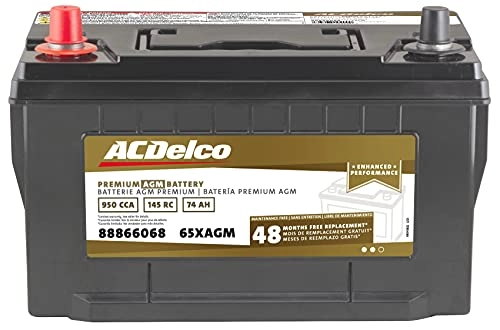
Keheng offers a range of high-performance Group 65 batteries, providing exceptional reliability for various vehicles and heavy-duty applications.
What is the Lifespan of a Group 65 Battery?
The lifespan of a Group 65 battery depends on the battery type and how well it’s maintained. Here’s a general overview:
- Flooded Lead-Acid Batteries: With proper maintenance, they can last 3 to 5 years.
- AGM (Absorbent Glass Mat) Batteries: They last 5 to 7 years and require less maintenance.
- Lithium-Ion Batteries: They last 8 to 10 years or longer, offering the most durable performance.
Proper maintenance, such as cleaning terminals and checking the state of charge, is crucial for extending the life of a Group 65 battery, especially for lead-acid types.
Conclusion
Choosing the right Group 65 battery is essential for ensuring your vehicle’s performance and reliability. Whether you’re driving a heavy-duty truck, going on off-road adventures, or powering industrial equipment, selecting the correct battery ensures stable performance and longevity. Understanding the differences in battery types, capacity, voltage, and lifespan helps you decide to meet your specific needs.
Investing in a high-quality Group 65 battery is more than just powering your vehicle; it’s about ensuring worry-free operation for every journey, workday, and adventure in any condition.