Keheng

Top 10 Cylindrical Battery Cell Manufacturers

Factors Influencing Self-Discharge in Lithium-Ion Batteries

Are you curious about why lithium-ion batteries self-discharge after being fully charged? This article delves into the factors influencing self-discharge, temperature impact, storage conditions, and techniques to minimize self-discharge rates. Learn about common misconceptions and compare self-discharge rates across different battery types. Understanding the complexities of self-discharge in lithium-ion batteries is crucial for maximizing their […]

Factors Influencing Self-Discharge in Lithium-Ion Batteries Read More »

Factory Capacity

Top 10 Lithium Iron Phosphate Factory in USA – Industry Leaders & Innovators

Welcome to the world of Lithium Iron Phosphate batteries! In this article, we explore the top 10 factories in the USA specializing in LiFePO4 batteries, known for their safety, longevity, and eco-friendliness. These batteries offer unparalleled advantages over other types, from renewable energy to electric vehicles. Learn how to verify quality through certifications, performance metrics,

Top 10 Lithium Iron Phosphate Factory in USA – Industry Leaders & Innovators Read More »

Customization process for lithium motorcycle batteries

Difference Between Lithium Polymer vs. Lithium Batteries

Gained valuable insights into the key differences between lithium-ion and polymer batteries; these two types of batteries are commonly used in various applications, each with their specific characteristics and benefits. You will benefit from understanding the composition, energy density, safety features, charging characteristics, and more differences between lithium polymer and lithium batteries. Whether considering flexibility,

Difference Between Lithium Polymer vs. Lithium Batteries Read More »

Understanding Lithium Battery Thermal Runaway: Causes and Prevention

Exploring What You Need to Know About Lithium Battery Thermal Runaway is crucial to understanding this phenomenon’s risks and prevention strategies. From defining thermal runaway to its impact on battery life and performance, this article delves into the causes, signs, safety measures, and recent technological advances to mitigate it in lithium batteries. With a focus

Understanding Lithium Battery Thermal Runaway: Causes and Prevention Read More »

Sodium Ion Prismatic Batteries (1)

Will Sodium Batteries Replace Lithium Batteries? Pros and Cons

Exploring the battery technology landscape reveals a shift towards sodium batteries as a promising alternative to lithium. With advantages like abundance, cost-effectiveness, sustainability, and safety, sodium batteries are poised to revolutionize energy storage solutions. As research and development progress, the future outlook for sodium batteries looks bright, challenging the dominance of lithium in various sectors.

Will Sodium Batteries Replace Lithium Batteries? Pros and Cons Read More »

What to Do If Your Lithium Battery Leaks: Safety Steps

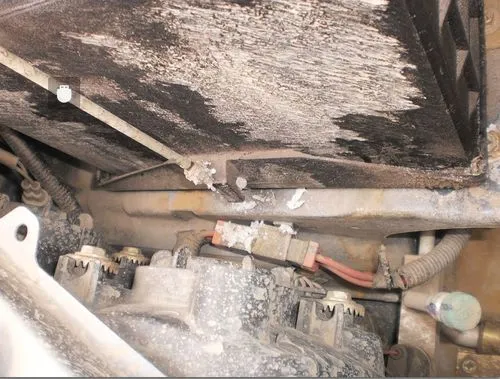
Discovering signs of a leaking lithium battery is crucial for protection. Signs such as physical deformation and heat generation signal potential risks. Immediate steps must be taken post-discovery to ensure safety and prevent further damage. Proper disposal of a leaking lithium battery is essential for safety and environmental protection. Following local regulations, preparing for disposal,

What to Do If Your Lithium Battery Leaks: Safety Steps Read More »

Clean Your Electric Bike Battery

How to Calculate Battery Run Time: Essential Formulas

Welcome to a comprehensive guide on How To Calculate Battery Run Time. This article covers the basic formula for run time calculation, factors affecting battery capacity, using Peukert’s Law, measuring battery capacity in Amp-Hours, the role of battery efficiency, tools for calculations, troubleshooting common issues, and FAQs. Understanding these key points is crucial for optimizing

How to Calculate Battery Run Time: Essential Formulas Read More »

Scroll to Top