


In this guide, we’ll compare gel and lithium batteries, breaking down their key characteristics, advantages, and considerations to help you determine which type best suits your needs. Whether you’re new to battery usage or a seasoned expert, this comparative analysis will help you gain clarity and make a more informed decision.

What is a Gel Battery?
Gel batteries, also known as gel cell batteries, are rechargeable batteries that use a gel electrolyte instead of a liquid electrolyte. The gel is a thick, jelly-like substance that immobilizes the electrolyte, preventing any spills or leaks.
Advantages:
- Maintenance-Free: Gel batteries are sealed and do not require regular maintenance, unlike traditional lead-acid batteries, which may need periodic addition of distilled water.
- Leak-Proof: The gel electrolyte effectively prevents leaks, making gel batteries safer and suitable for sensitive environments.
- Deep Cycle Capability: Gel batteries are designed for deep discharge and recharge cycles, making them ideal for applications requiring frequent cycling, such as renewable energy systems.
Disadvantages:
- Overcharge Sensitivity: Gel batteries are relatively sensitive to overcharging, and improper charging can shorten their lifespan and reduce performance.
- Temperature Sensitivity: Gel batteries may experience reduced performance in extremely hot or cold environments compared to other types of batteries.
- Initial Cost: The upfront cost of gel batteries is typically higher than traditional lead-acid batteries, but their maintenance-free nature can make them more cost-effective in the long run.
Applications:
- Solar Power Systems: Gel batteries are commonly used in off-grid solar power systems to provide reliable energy storage for residential and commercial applications.
- RV (Recreational Vehicle) Applications (RVs): Gel batteries are popular among RV users due to their deep cycle capability and maintenance-free design, providing power for lighting, electronics, and more.
- Marine Applications: The leak-proof design and vibration resistance of gel batteries make them well-suited for use on boats, powering electronics, navigation systems, and auxiliary equipment.
What is a Lithium Battery?
Rechargeable lithium batteries use lithium ions to store and release electrical energy. These batteries are popular due to their high energy density and superior performance, making them suitable for a wide range of applications.
Advantages:
- High Energy Density: Lithium batteries have a higher energy density than other rechargeable batteries, meaning they can store more energy in a smaller, lighter package.
- Long Lifespan: Lithium batteries typically have a longer lifespan than other types of batteries, making them suitable for long-term use applications.
- Fast Charging: Lithium batteries can be charged faster than traditional rechargeable batteries, allowing quick replenishment.
- Low Self-Discharge Rate: These batteries retain their charge for extended periods when not in use due to their low self-discharge rate.
- Versatility: Lithium batteries are available in various sizes and formats, making them suitable for everything from small electronics to electric vehicles.
Disadvantages:
- Cost: Lithium batteries tend to have a higher upfront cost, but prices have decreased as technology advances and production scales up.
- Safety Concerns: While generally safe, lithium batteries can experience thermal runaway or overheating due to damage or improper handling. However, modern safety measures have minimized these risks as much as possible.
Applications:
- Consumer Electronics: Lithium batteries are widely used in portable electronic devices such as smartphones, laptops, tablets, and digital cameras due to their high energy density and long-lasting performance.
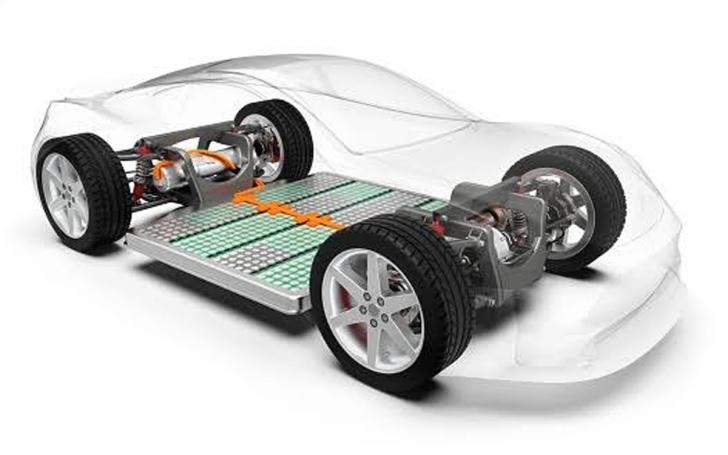
- Electric Vehicles (EVs): Lithium batteries power electric vehicles, providing a reliable and efficient energy source for modern transportation.
Both gel batteries and lithium batteries offer unique characteristics that make them suitable for different applications. Understanding their advantages and disadvantages will help you make an informed choice based on your specific needs, whether for solar power energy storage, RV applications, or portable electronics. You can check out our lithium battery guide for more detailed information on lithium batteries.
Okay, understood. Please provide the English text you would like me to translate. I’ll keep all the HTML tags and attributes.
Lithium vs. Gel Batteries: Key Considerations
When choosing between lithium and gel batteries for your application, several factors come into play. Each battery type offers unique advantages, depending on your specific needs and application. Here’s a breakdown of the differences:
Energy Density and Lifespan
Lithium batteries offer a higher energy density ratio, meaning they can store more energy in the same space. This results in longer run times for your devices. Lithium batteries typically have a longer lifespan, often lasting 10 years or more with proper usage. In contrast, gel batteries, while offering lower energy density, are often more affordable and typically last between 3 and 8 years.
Depth of Discharge and Efficiency
In terms of depth of discharge, lithium batteries offer superior performance. This means they can be discharged to a lower percentage of their capacity without significantly impacting their lifespan. Gel batteries, on the other hand, may suffer from reduced performance if over-discharged. As a result, lithium batteries are generally more efficient, especially for applications that require frequent charging and discharging.
Charging Speed
One of the significant advantages of lithium batteries is their faster charging speed. They can be charged in a fraction of the time it takes to charge gel batteries. This makes them an ideal choice if minimizing downtime is crucial for your application.
Maintenance
Gel batteries are essentially maintenance-free, not requiring watering or other specific upkeep. Lithium batteries also have low maintenance requirements but may require periodic monitoring and cell balancing to ensure optimal performance over the long term.
Environmental Considerations
The environment in which the battery is used can significantly impact its performance. Gel batteries are robust and can operate effectively in a wide range of temperatures, even in extreme conditions. Conversely, lithium batteries may have specific temperature limitations and can be affected by high or low temperatures, thereby impacting their performance.
Cost
Gel batteries typically have a lower upfront cost than lithium batteries, making them an attractive option for those on a budget. However, due to their longer lifespan and higher energy density, the higher initial cost of lithium batteries may be offset in the long run, making them more cost-effective in the long run.
Safety Precautions
Both gel and lithium batteries are safe when handled correctly. However, lithium batteries have a slightly higher risk of thermal runaway or overheating if damaged or exposed to extreme conditions. Therefore, handling lithium batteries with care and following all safety precautions is essential.