


Are you looking for a more efficient way to manage energy? Modular energy storage systems may offer the solution. These systems are customizable, scalable, and efficient—making them suitable for energy independence across homes, businesses, and industrial applications.
So, what is a modular energy storage system? It consists of independent units (or “modules”) that can be added or removed as needed. This allows you to adjust your system flexibly in response to changing energy demand.
In this article, I will walk you through the basics of modular systems, their advantages, and how they can help improve energy efficiency and sustainability. Keep reading to learn more.
Understanding Modular Energy Storage Systems
Definition
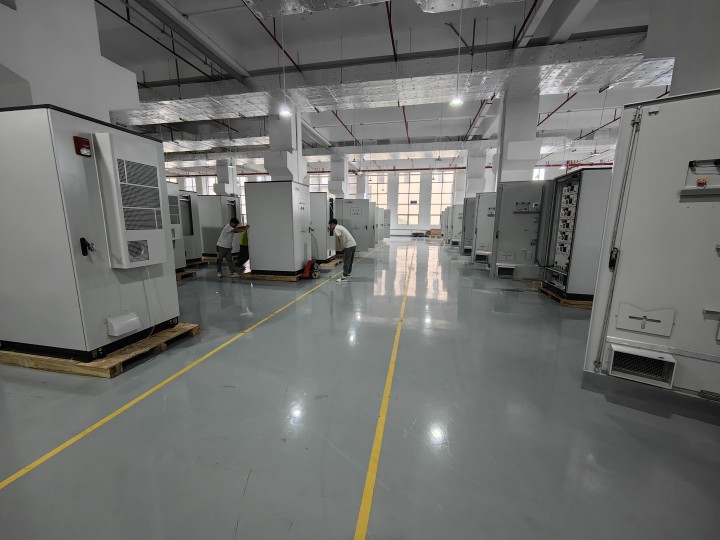
A modular energy storage system (ESS) is designed to provide a flexible and scalable energy storage solution. Unlike traditional monolithic systems, modular setups are built with independent battery units that can be combined and customized to meet specific energy needs.
Think of it like building with blocks—if you need more capacity, you simply add another module. If you need less, you remove one.
Comparison with Traditional Systems
Compared to traditional energy storage solutions, modular systems stand out for their flexibility and scalability. Traditional systems are often bulky and fixed in design, making them less efficient when adapting to specific or growing energy demands.
Why Choose a Modular Energy Storage System
#1 Easy Scalability and Flexibility
To address scalability challenges, modular integrated cabinets use standardized interfaces, enabling plug-and-play expansion.
Modular systems give you flexibility. You can add or remove modules as your needs change.
#2 Lower Initial Cost
One of the biggest advantages is the ability to pay as you go. You can start with only the capacity you need, keeping upfront costs low. As demand grows, you can expand accordingly.
This block-based model allows flexible deployment and capacity expansion. It can reduce deployment costs by more than 20%, while a compact layout can save 10–20% of installation space. It offers both lifecycle adaptability and cost efficiency, making it a reliable and scalable distributed solution for commercial and industrial energy storage.
#3 Maximize Energy Efficiency and Integrate Renewable Energy
Modular systems are designed to integrate with renewable energy sources such as solar and wind.
For example, if you install solar panels, the system can store excess energy for later use.
You can also customize the system based on your specific energy needs, whether for a small business or a larger setup.
#4 Quick Installation and Low-Maintenance Design
Modular energy storage systems allow each unit to operate independently and connect directly to the grid.
Like building blocks, they support flexible combinations, plug-and-play installation, and rapid expansion. This improves installation efficiency and reduces costs.
If a module is damaged, it can be replaced individually without affecting the rest of the system.
#5 Enhanced Safety Features for Long-Term Reliability
When it comes to energy storage, safety is a top priority.
Modular systems use a building-block architecture to enhance safety. Each unit operates independently, supported by multi-level protection mechanisms and intelligent monitoring.
Faults can be quickly isolated and handled at the module level, reducing overall system risk and avoiding large-scale failures.

#6 Sustainability and Eco-Friendly
Lower Carbon Footprints with Modular Storage
Modular systems support greater use of renewable energy like solar and wind, reducing reliance on fossil fuels and lowering carbon emissions.
Minimize Electronic Waste with Modular Battery Design
Traditional systems often require full replacement when they fail. With modular systems, only the faulty module needs replacement.
This reduces e-waste and lowers demand for raw materials.
Applications of Modular Energy Storage Systems
Residential Energy Solutions
Modular systems are increasingly used in residential solar setups due to their plug-and-play installation and scalability.
For example, you can start with a few modules for backup power and expand as your energy needs grow.

Commercial and Industrial ESS
With modular systems, businesses can reduce energy costs and improve sustainability.
By storing energy during off-peak hours and using it during peak pricing periods, companies can significantly lower their electricity bills.
For example, a small factory can store energy at night and use it during the day when electricity prices are higher.
This approach also helps integrate renewable energy and reduce carbon footprint.
Most importantly, businesses can scale their storage capacity anytime.
Off-Grid and Remote Installations
In remote or off-grid areas, modular systems provide a reliable power supply.
For example, a remote research station can store solar energy and maintain operations even at night.
These systems are ideal for off-grid living, agriculture, or emergency backup.
Future Trends of Modular Energy Storage
AI-Driven Energy Management Systems
The future of modular storage lies in smarter energy management powered by AI.
These systems use real-time data to optimize when energy is stored and released.
For example, AI can learn usage patterns and predict when more power is needed—helping reduce costs and improve efficiency.
AI makes modular systems more responsive, efficient, and sustainable.
Seamless Integration with Smart Grids
Modular systems help stabilize the grid by supplying energy during peak demand periods.
For example, during high demand, distributed modular systems can feed power back into the grid, preventing outages and improving efficiency.
They play a key role in balancing supply and demand, making the grid more resilient and intelligent.
Conclusion
Modular energy storage systems are at the forefront of energy management transformation for both residential and commercial applications.
With their scalability, cost efficiency, and sustainability, they represent a future-ready investment.
If you are exploring reliable and high-quality modular energy storage solutions, working with an experienced supplier can help you build a system that fits your exact project needs—while ensuring long-term performance and stability. Contact us immediately!