


In the world of RC cars, selecting the right battery is crucial for maximizing performance and enjoyment. Many RC enthusiasts prefer LiPo batteries due to their superior power, lightweight design, and high efficiency. But what makes LiPo batteries the preferred choice? This guide explores the key factors to consider when choosing an RC car battery and compares different battery types to help you make an informed decision.
Essential Factors for Choosing an RC Car Battery
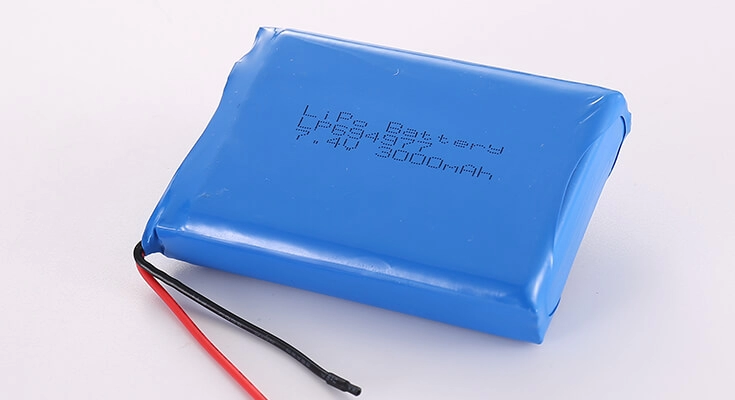
Choosing the right battery can significantly impact your RC car’s performance. Here are the key aspects to keep in mind:
- Capacity: Battery capacity, measured in milliampere-hours (mAh), determines how long the battery will last on a single charge. Higher capacity translates to longer run times, minimizing the need for frequent charging, which is ideal for extended races or intense bashing sessions.
- Voltage: Voltage plays a critical role in determining power output and speed. Every RC car has specific voltage requirements, and ensuring the battery’s voltage specifications are compatible with your RC car is imperative. Using an incompatible battery can damage the motor and electronics.
- Weight: The weight of the battery directly affects handling and speed. A lighter battery enhances agility and acceleration, making it especially advantageous in competitive racing.
- Size: The right size is essential. The battery must fit snugly within the battery compartment to prevent connection problems and potential damage. Always verify the dimensions before purchase.
- Discharge Rate (C Rating): The discharge rate, or the “C” rating, indicates how quickly the battery can deliver power. A higher C rating signifies a more powerful output, making it suitable for high-speed and high-torque applications.
- Price: While cost is important, investing in a high-quality battery ensures better performance and a longer lifespan. Selecting a reliable battery can minimize replacements and reduce maintenance costs, saving money in the long term.
- Brand Reputation: Choosing a reputable brand guarantees that your investment in RC car batteries is supported by excellent customer service, comprehensive warranties, and complete peace of mind.
NiCd vs. NiMH vs. LiPo – Which Battery is Best?
Understanding the differences between NiCd (Nickel Cadmium), NiMH (Nickel Metal Hydride), and LiPo (Lithium Polymer) batteries will help you select the best option for your RC car. Here’s a detailed comparison:
NiCd (Nickel Cadmium) Batteries
- Capacity: Low, resulting in shorter run times.
- Weight: Heavier, which can reduce speed and maneuverability.
- Memory Effect: Requires complete discharge before recharging to maintain optimal efficiency.
- Lifespan: Can last a long time with proper maintenance but needs regular cycling.
- Cost: Affordable but outdated.
- Environmental Impact: Contains toxic materials, making disposal difficult.
- Charging Time: Slow, requiring longer intervals between uses.
NiMH (Nickel Metal Hydride) Batteries
- Capacity: Higher than NiCd, providing longer run times.
- Weight: Moderate, balancing performance and efficiency.
- Memory Effect: Less susceptible to memory effect but benefits from periodic complete discharge.
- Lifespan: Moderate lifespan, but performance can degrade over time.
- Cost: Mid-range pricing, making them a cost-effective option.
- Environmental Impact: Less harmful than NiCd but still requires responsible disposal.
- Charging Time: Faster than NiCd but slower than LiPo.
LiPo (Lithium Polymer) Batteries

- Capacity: High energy density, offering longer run times and superior power.
- Weight: Lightweight, enhancing speed and maneuverability.
- Memory Effect: No memory effect, making charging easier.
- Lifespan: Long lifespan with proper care but sensitive to overcharging and deep discharge.
- Cost: Higher initial investment but offers superior performance and durability.
- Environmental Impact: Less toxic but needs proper disposal to prevent pollution.
- Charging Time: Rapid charging capabilities minimize downtime between uses.
Which Battery is Best?
For most RC car enthusiasts, LiPo batteries are the clear winner. Their high capacity, lightweight design, and rapid charging capabilities make them an excellent choice for both serious racers and hobbyists.
Learn more about selecting the appropriate battery for your specific requirements for a more informed decision.
Why Are More People Choosing RC LiPo Batteries?
RC enthusiasts are increasingly choosing LiPo batteries due to several key reasons:
High Energy Density
LiPo batteries offer high energy density, packing more power into a smaller size. This extends run times and provides superior performance, making them ideal for competitive racing and high-speed applications.
Lightweight Design
One of the biggest advantages of LiPo batteries is their lightweight design. This helps improve the agility and acceleration of RC cars, making them faster and more responsive on the track. The lighter weight also contributes to a more enjoyable and responsive driving experience.
No Memory Effect
Unlike older battery types like NiCd, LiPo batteries do not suffer from the memory effect. This means they don’t need to be fully discharged before recharging, simplifying the maintenance process and extending the battery’s lifespan.
Fast Charging
LiPo batteries can be charged much faster than NiCd and NiMH batteries. This feature helps minimize downtime, giving competitive racers more time on the track.
Versatility
LiPo batteries come in various sizes and configurations, making them adaptable to a wide range of RC vehicles—from small-scale models to large, powerful trucks. Their versatility makes them an ideal choice for all types of RC enthusiasts.
Types of RC LiPo Battery Chargers
Selecting the right charger is crucial to ensure your LiPo batteries remain in optimal condition. Here are the common types of LiPo battery chargers:
Basic Chargers
Basic chargers are simple, affordable, and suitable for beginners. While they provide essential functionality, they often lack advanced features like balance charging.
Balance Chargers
Balance chargers ensure that each cell in a multi-cell LiPo battery is charged evenly. This balance is crucial for the long-term health and performance of the battery.
Smart Chargers
Smart chargers come equipped with advanced features such as automatic shut-off, charge monitoring, and adjustable settings. These chargers optimize the charging process, which can extend battery life and improve performance.
Dual/Quad-Channel Chargers
For users with multiple batteries, dual or quad-channel chargers are ideal, as they support simultaneous charging.
Field Chargers
Field chargers are designed to be lightweight and portable, specifically for charging on the go outdoors. They are perfect for outdoor use, allowing you to charge your batteries even when a power outlet is not accessible.
Best RC LiPo Battery Charger Brands
When selecting a charger for your RC LiPo batteries, choosing a reputable brand is important. Here are seven top brands known for their exceptional performance and reliability:
- SkyRC: Known for its innovative designs and reliable performance, it is a favorite among many RC enthusiasts.
- iMAX: Offers affordable and user-friendly chargers, making it an excellent choice for beginners.
- Hitec: Offers high-quality chargers with advanced features and robust safety protocols.
- Traxxas: Focuses on durable and easy-to-use chargers, perfect for RC enthusiasts of all levels.
- ISDT: Known for its compact, high-performance chargers equipped with smart technology.
- Turnigy: Offers a variety of versatile and affordable chargers to meet various needs.
- Dynamite: Provides smart charging solutions with impressive performance and safety features.
Choosing chargers from these reputable brands ensures you get a product that meets high standards and delivers excellent performance.
Do I Need to Buy RC Battery Connectors?
When assembling your RC vehicle, you might need to consider whether you need to purchase battery connectors. Here’s a breakdown of the types and their significance:
Types of RC Battery Connectors
- Deans/T-Plugs: Deans/T-plugs are known for their secure connection and are widely used in high-current applications.
- XT60: XT60 connectors are popular for their reliable connection and ease of use, making them ideal for medium-power applications.
- EC3/EC5: These connectors are known for their durable design and are often used in high-power setups.
- Traxxas Connectors: Designed specifically for Traxxas models, these connectors offer a plug-and-play convenience.
Selecting the right connector ensures a secure and reliable connection, which is essential for the optimal performance and safe operation of your RC vehicle.

Battery Connectors: Key to Boosting Remote Control Car Performance
Compatibility: Proper matching of the battery and remote control car is crucial to avoid connection issues and ensure smooth operation.
Performance: High-quality connectors reduce resistance, resulting in better power transfer and more efficient performance, thereby enhancing the capabilities of the remote control car.
Safety: Secure connections minimize the risk of loose wires, protecting the remote control car from short circuits or battery damage.
While not essential, investing in high-quality connectors can significantly improve the performance of the remote control car and ensure safe operation.
Conclusion
Choosing the right battery for your remote control car can make a world of difference. LiPo batteries stand out for their superior performance and are a favorite among enthusiasts. By understanding the nuances of different battery types and selecting the appropriate charger and connectors, you will be able to unlock the full potential of your remote-controlled car, achieving longer and faster runs.